دانلود Augmentative and Alternative Communication: Models and Applications Edition: 2
Title: Augmentative and Alternative Communication: Models and Applications Edition: 2
Author(s): Filip Loncke
Publisher: Plural Publishing
Year: 2022
ISBN: 9781635501308; 163550130X
English
Intentionality Lexicon Accessibility Sets and Systems of Symbols: Do They Help in Lexical Access? Access to Message Assembly Techniques Message Externalizing Behavior Tools Cognitive Processes Message Transmission Multimodality Principle Materialization Principle The Receiver’s Role and Assistance from Communication Partner Help in the Physical Execution of the Message and Facilitated Communication (FC) Help in Cause-Effect Grasping Providing Choices Help with Scanning Lexical Help Selection Strategies (Y-N Questions) Strategic Feedback Content Feedback AAC Modeling Points to Remember References Chapter 3. Nontech, Low-Tech, High-Tech, and Mobile Computing Assistive Technology Nontech, Low Tech, and High Tech Nontech Solutions Steering Technology Movement-Sensing Technologies Multi-Input Strategies Language Representation Technology Output Technology Nontech Output Device-Generated Speech Desktop and Laptops Tablets and Mobile Devices Lexicon Technology Lexicon Representation The Super Lexicon and Increasing Interconnectivity Growing and Accessible Databases Conversion Technology Word from/to Graphic Symbol Manual Sign from/to Word Simplification Technology Recognition Technology Speech Recognition Integration with Other NonCommunication Technology Conclusions Points to Remember References Chapter 4. The Use of Symbols What Are “Symbols”? Symbol Classification Unaided AAC Symbols Unaided Symbols: Gestures Everybody Uses Gesture Conventional Gestures Are Manual Signs Linguistic Unaided Symbols Why Would Manual Signing Work? Simplified Sign System Key Word Signing Aided AAC Symbols Tangible Symbols Graphic Symbols Levels of Understandability of Graphic Symbols Recognizable Graphic Symbols Guessable Graphic Symbols Symbols with Low Picturability An Interesting Graphic Symbol System: Bliss-Words Participics: Graphic Symbol Sets for a Specific Group Animated Graphic Symbols Adding Sounds to Graphic Symbols Two Issues of Graphic Symbols: Polysemy and Sequentiality The Polysemy Issue The Sequentiality Issue Uses for Graphic Symbols Conclusions Points to Remember References Chapter 5. Vocabulary and AAC Words, Graphic Symbols, Manual Signs as Lexical Elements Zipf’s Law, Core Vocabularies, and AAC Typical Word Development Balancing Number of Words with Accessibility Requirements: The Problem of Lexical Access Teaching or Acquiring Vocabulary — Who Determines or Influences Lexical Growth? The Core Vocabulary Approach Comparing AAC and Typical Word Development — A Valid or Flawed Approach? So, Is Core Vocabulary the Solution? The Initial Lexicon “Free Access” to Your Own Lexicon Measuring Lexical Learning Are Manual Signs the Lexical Equivalent of Words? Manual Sign Lexicons Are Graphic Symbols Really the Equivalent of Words? Doing more with less? Conclusion: The Vocabulary Challenge in AAC Points to Remember References Chapter 6. AAC Intervention at the Prelinguistic and Early Linguistic Stages The Beginnings of Communication Forms of Communication Functions of Communication Behavior Regulation Social Interaction Joint Attention From Unintentional Behavior to Intentional Communication Understanding Cause-Effect The Use of Tools The Genesis of Internal Mental Representations Symbol Development When Does Communication Become Language? From Idiosyncratic to Conventionalized Symbols Communication and Symbol Development as Part of Interaction Symbols Become Part of a Larger Structural Multilevel Combinatorial System The Communication Matrix AAC Solutions for Early Intervention Determining the Communication System in Place The Partners The Communicative Environment Making Unintentional Behaviors Intentional Identify Potential Communicative Acts Select Accessible Symbols Transition to Linguistic Symbols AAC Applications for People with Severe Developmental Limitations of All Ages Make and Keep Communication Functional Address Problem Behavior Other Intervention Techniques Requesting and Rejecting Beyond Requesting and Rejecting Extension of Communicative Repertoire References Chapter 7. AAC Applications for Individuals With Autism Autism Spectrum Disorders and the Acquisition of Communication Through AAC Barriers and Facilitators Predictors, Moderators, and Mediators The Specific Nature of Autism and AAC The Visual Modality, Visual Processing, and Attention Teaching Needs AAC and Social Skills in Individuals with an Autism Diagnosis References Chapter 8. Language Intervention and AAC How Are the Main Mechanisms of Language Acquisition Affected by the Use of AAC? Biological Factors Language Exposure Cognitive Challenges Social Regulations What Is the Effect of the Decreased Output Possibilities? What Do We Know About the Developing Lexicon? What Do We Know About Phonology, Morphology, and Syntax Development? Morphology and Syntax How Does the Use of AAC Affect Literacy? How Does Software in AAC Devices Represent Language, and Does It Facilitate Language Acquisition? Language Learning Through Interaction Code-Switching Amount of Exposure to Communication and its Influence Learning Structures and Strategies Modeling Recasting Points to Remember References Chapter 9. AAC and Literacy Development Literacy Acquisition and AAC Use: An Interesting Relation A Help or a Barrier? Three Abilities and Levels of Graphic Symbol Use (1) The Ability to Pay Attention to Specifics of a Pictorial Representation (2) The Ability to Understand the Referential-Pictorial Meaning of a Graphic Symbol (3) The Ability to Insert a Pictorial Representation in a Meaningful Way in a Sequence of Actions Can Graphic Symbols Aid Word Recognition Through Association? Are the Graphic Symbols a Help to Literacy? Literacy Activities and a Literacy Curriculum for AAC Users Different Challenges at Different Stages Literacy Activities as Compensatory AAC Strategies Measuring Competencies Becoming a Writer AAC and Literacy in the Future Points to Remember References Chapter 10. AAC and Intervention with Acquired Communication Disorders An Increasing Prevalence The Nature of the Condition: Cognitive, Linguistic, or Motor What Is the Linguistic Nature of Disorder? What Is the Motor Nature of the Disorder? What Are the Cognitive Elements Affecting the Disorder? Other Questions Natural Speech Acquired Cognitive Challenges Acquired Linguistic Challenges Functional Considerations and Classifications Acquired Motor Impairment Amyotrophic Lateral Sclerosis Brainstem Dysfunction Other Acquired Predominantly Motor Disorders AAC as Therapy and Rehabilitation Tool Short- and Long-Term Goals Effects of (Partially) Device-Based Language Therapy Acceptability TelePractice, Self-Therapy, and Distance Intervention Conclusion Points to Remember References Chapter 11. AAC in Medical Environments Exchanging Medical Information with AAC Users Exchanging Medical Information with Non AAC Users AAC as a Short- and Long-Term Solution for Exchanging Medical Information References Chapter 12. AAC and Assessment AAC Assessment Is Part of AAC Intervention Determination of AAC Needs Communicative Competence as Object of Assessment Assessment of the Larger Picture AAC Assessment Is an Ongoing Decision-making, Testing, and Adjusting Process Principles of AAC Assessment Quantification Can We Predict the Future? Dynamic Assessment Measuring Instruments Measuring Communication as Part of a Developmental Component Communication Competence Profile Assessment of PreLinguistic and Early Linguistic Functioning Language Tests and Their Usability Measuring of Specific AAC-Related Skills Conducting an Evaluation Functional, Developmental, and Dynamic Interpretation of the Data Feature Matching The “Fives Approach” Multidisciplinarity Working with Manufacturers and Sales Representatives Report Writing New Ways of Assessment and Data Gathering Costs and Funding Points to Remember References Chapter 13. Intervention and AAC Anticipated and Desired Outcomes Who Sets the Goals? The Client and the Community of Practice Creating and Maintaining a Communicative Environment Planning or Natural Development? Evidence-Based Practice Points to Remember References Chapter 14. AAC and the Community The Community — or the Communities Social Networks Making Meaning Through Interaction Multiple Challenges Attitudes and AAC Attitudes of Peers The AAC User as a Member of Cultures AAC Linguistic Diversity AAC and the Family AAC in Education Educational Goals and Organizing the Classroom Inclusiveness Universal Design for Learning Educational Practices and Opportunities Post-High School Transitions to Adult Life AAC in the Workplace AAC and the Development of Friendships The Virtual Community Communication Assistants Aging Connections with the World Risk of Abuse AAC Users and Research Points to Remember References Chapter 15. The AAC Experience What Does It Mean to Be an AAC User? The Difference Made by the AAC Solution The Uniqueness of the AAC Experience A Community of AAC Users Where Do I Get Help? Discussions about What Works Best The Broken AAC Device The New and Better AAC Device — Or Not So Much Better Sexuality AAC as a Normal Phenomenon Perspectives of Hope, Expectations, and Fears Points to Remember References Appendix 1. AAC and Natural Speech Appendix 2. Case Discussions Appendix 3. Discussion and Debate Topics Appendix 4, Speech-Language and AAC Assessment Protocol Index


 دانلود مصاحبه با معلمان (برای مهارت آموزان ماده 28)
 خلاصه و جزوه تربیت رسانه ای
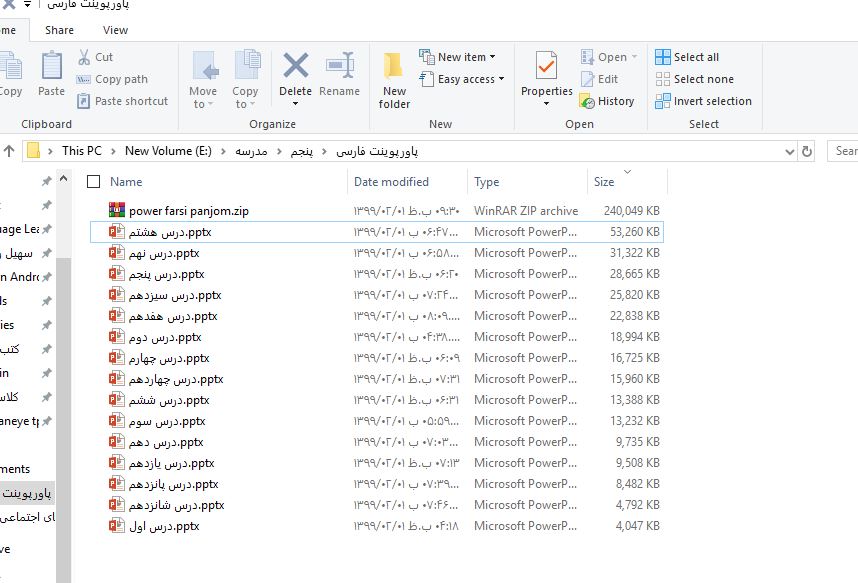 دانلود پاورپوینت فارسی پنجم ابتدایی درس به درس
 دانلود مجموعه 100 اقدام پژوهی با موضوعات مختلف
 تمامی فایل های مورد نیاز آزمون اصلح برای مهارت آموزان ماده ۲۸
 دانلود نقشه راه برای مهارت آموزان ماده 28 به صورت ورد (Word) و قابل ویرایش
 دانلود کتاب Nursing Diagnosis Handbook, 12th Edition Revised Reprint with 2021-2023 NANDA-I® Updates - E-Book, 12th Edition - Original PDF
 کاربرگ و درسنامه فارسی ششم ابتدایی به صورت درس به درس و کامل word و قابل ویرایش
 لزوم کسب 65 درصد از امتیاز در هریک از مؤلفه ها برای دریافت گواهی صلاحیت
 جزوه مبانی بانکداری و مدیریت بانک ۱۲۱۸۴۵۷۱۷
 حل المسائل کتاب تحقیق در عملیات ۱ – عادل آذر
 ۲۰ نمونه نقشه راه و مصاحبه با معلم برای مهارت آموزان ماده ۲۸
 بهداشت روان 2 :محسن کوشان
 دانلود رایگان حل المسائل طراحی و تحلیل آزمایش مونتگومری ویرایش ۶
 نقشه راه معلمان تهیه نقشه راه معلم
 فروش فیلتر بورسی استریکلی فقط 75 هزار تومان
 کسب درآمد اینترنتی 300000 تومان در خانه در کمتر از 30 دقیقه
 کسب و کار اینترنتی با درآمد میلیونی
 روش درآمدزایی در خواب (تعجب نکنید! کلیک کنید و بخوانید)
 ربات همه کاره اینستاگرام
 کسب درآمد از هوش مصنوعی ماهیانه حداقل ۱۲ میلیون تضمینی
 کسب درآمد روزانه حداقل یک میلیون تومان ! کاملا حلال و واقعـی !!
 کسب درآمد ابدی و بی نهایت 100% واقعی
 مجموعه ی آموزش تعمیر لامپ کم مصرف (از مبتدی تا پیشرفته)
 افزایش ممبر کانال، گروه و ربات تلگرام به صورت بی نهایت (اد ممبر)
 دانلود مجموعه آموزشی پایپینگ ( Piping ) و نقشه خوانی + آموزش سه نرم افزار طراحی و تحلیل لوله کشی صنعتی
 آموزش برنامه نویسی آردوینو
 آموزش بازكردن انواع قفل ها بدون كليد(ويژه)
 آموزش رایگان کسب درآمد از سایت الیمپ ترید ( olymp trade )
 کسب و کار اینترنتی در منزل
 بازگردانی پیامک های حذف شده- ریکاوری پیامک ۱۰۰٪ عملی
 اموزش ویرایش امضا و پکیج برنامه اندروید و کسب درامد از مارکت های اندرویدی
 آموزش ساخت بازی بدون دانش برنامه نویسی و طراحی سه بعدی مبتدی تا پیشرفته با نرم افزار
 کد های آماده html و css جهت یادگیری و طراحی سریع
 اموزش کسب درامد از اینترنت روزانه ۳میلیون تومان تضمینی و تست شده 1403
 درامدزایی در خواب! (تعجب نکنید! بخوانید)
 نسخه خطی اشعار و پیشگویی های شاه نعمت الله ولی
 آموزش كامل تعمير لامپ كم مصرف(اختصاصي)
 نسخه خطی اشعار و پیشگویی های شاه نعمت الله ولی
 مدار داخلی واکی تاکی(اموزش ساخت)
 کتاب افزایش ممبر کانال تلگرام
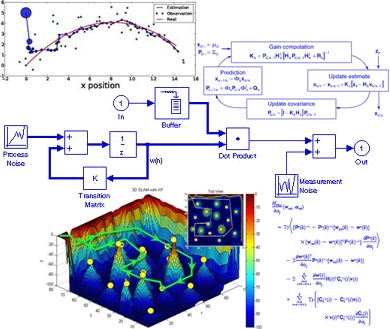 دانلود پاورپوینت فیلتر کالمن بر روی یک سنسور شتاب سنج برای تخمین سه متغیر حالت
 اندیکاتور ای کیو آپشن
 دانلود100% رایگان نرم افزار تبلیغات در تلگرام + آموزش کامل و فیلم آموزشی